

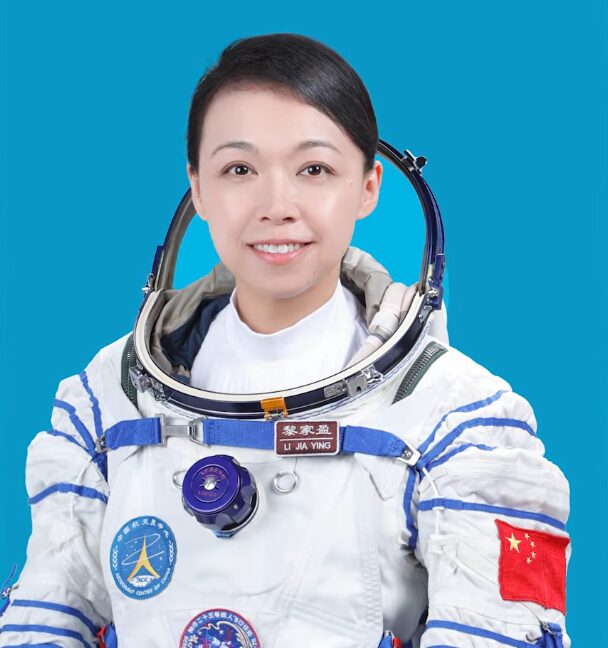
Tiangong Space Mission has opened new scientific frontiers, providing Pakistan with unprecedented opportunities for research and exploration in space technology.
Overview of the Tiangong Space Mission
The Tiangong Space Mission represents a significant leap forward in scientific exploration and international collaboration in space. Launched by China, this ambitious initiative aims to establish a modular space station that will facilitate a wide range of scientific research and technological advancements.
As part of the mission, several key objectives have been outlined:
- Scientific Research: The space station will host experiments across various disciplines including biology, physics, and materials science.
- International Collaboration: The Tiangong Space Mission invites global partnerships, allowing scientists from around the world to contribute to and benefit from its findings.
- Technological Innovation: The mission fosters the development of cutting-edge technologies that can be applied both in space and on Earth.
In summary, the Tiangong Space Mission is not just a national achievement for China, but a gateway to new scientific frontiers that could yield benefits for humanity as a whole.
Impact on Pakistan’s Scientific Community
The Tiangong Space Mission has significantly impacted Pakistan’s scientific community, fostering collaboration and innovation. With the recent advancements in space technology, Pakistani researchers are eager to leverage the opportunities presented by this mission.
Through partnerships with Chinese space agencies, scientists in Pakistan are gaining access to state-of-the-art research facilities and resources. This collaboration has led to:
- Enhanced Research Opportunities: Pakistani scientists can participate in joint experiments and projects, increasing their visibility in the global scientific community.
- Skill Development: Training programs and workshops associated with the Tiangong Space Mission are equipping young researchers with the necessary skills to excel in space sciences.
- Focus on Earth Sciences: The mission’s data collection capabilities are aiding Pakistan in addressing critical issues such as climate change and natural disasters.
As the Tiangong Space Mission progresses, it is expected to continue to strengthen Pakistan’s position in the field of space exploration and scientific research.
Future Prospects for Space Exploration
The future of space exploration is set to be significantly influenced by the advancements achieved through the Tiangong Space Mission. As nations continue to collaborate on various scientific endeavors, this mission exemplifies the potential for international partnerships to enhance our understanding of space.
Key prospects include:
- Enhanced Research Opportunities: The Tiangong Space Mission will provide a platform for scientists to conduct experiments in microgravity, leading to breakthroughs in materials science, biology, and medicine.
- Collaboration with Global Partners: Countries like Pakistan can benefit from shared knowledge and resources, fostering innovation in space technology.
- Inspiration for Future Generations: The mission serves as a catalyst for young scientists and engineers, encouraging them to pursue careers in STEM fields.
- Development of Sustainable Practices: Insights gained from the Tiangong Space Mission may inform sustainable resource management on Earth and in space.
Overall, the Tiangong Space Mission represents a pivotal step towards a brighter future in space exploration.
International Collaborations in Space Research
The Tiangong Space Mission has not only marked a significant milestone for China but has also fostered international collaborations in space research. As nations come together to share knowledge and resources, the mission serves as a platform for cooperative scientific advancements.
Countries around the world are eager to engage with the Tiangong Space Mission, recognizing its potential to enhance our understanding of space. Collaborative projects include:
- Joint Research Initiatives: Scientists from various countries are working alongside Chinese researchers to conduct experiments that address critical questions in astrobiology and material science.
- Data Exchange Programs: The mission’s data is being shared with international partners, allowing for a more comprehensive analysis of findings.
- Educational Outreach: Collaborative efforts also aim to inspire the next generation of scientists through shared educational resources and training opportunities.
Through these collaborations, the Tiangong Space Mission demonstrates the power of global partnerships in advancing human knowledge and capabilities in space exploration.
By 中国新闻社 via Openverse
Where this came from
Related reading
Madden NFL 27 Update: Best Gameplay Tweaks and Fixes Revealed · Global Monetary Tightening: Is It the Worst Policy Decision? · Atomic Collisions Detection: Proven Pathways to New Physics