

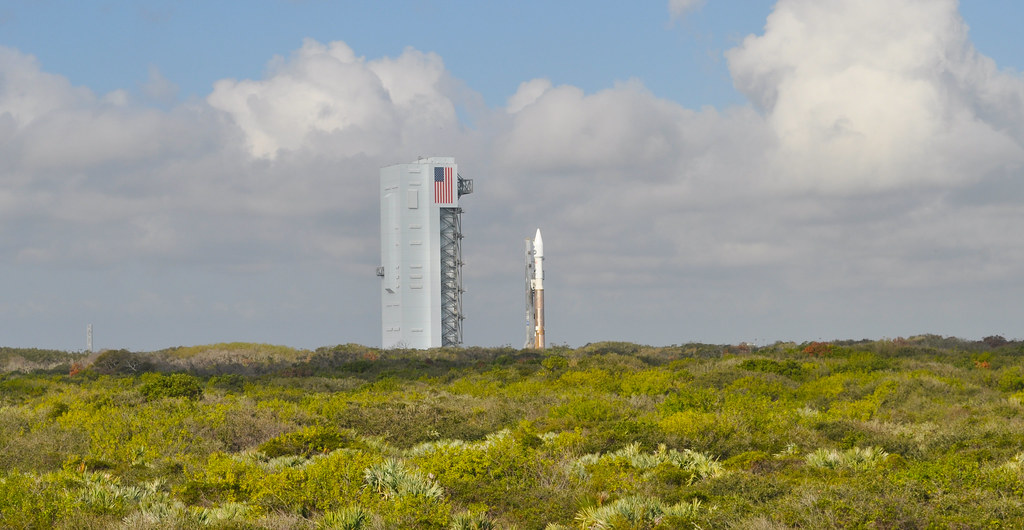
Satellite Launch Service is experiencing substantial growth, with projections indicating a market value of US$27.68 billion. This trend highlights the increasing demand for satellite deployment.
Current Trends in Satellite Launch Services
The satellite launch service industry is experiencing significant growth, driven by increasing demand for satellite deployment across various sectors. As of 2023, the market is projected to reach an impressive US$27.68 billion, reflecting a robust expansion in both commercial and governmental space activities.
One of the key trends shaping the satellite launch service market includes:
- Increased Commercial Investments: Private companies are increasingly investing in satellite technology and launch capabilities, leading to a more competitive landscape.
- Miniaturization of Satellites: The rise of small satellites and CubeSats has made it more feasible for diverse organizations to utilize satellite launch services, resulting in a broader customer base.
- Reusable Launch Systems: Innovations in reusable rocket technology, such as those pioneered by SpaceX, are significantly reducing costs and increasing launch frequency.
- Global Collaboration: International partnerships are becoming more common, allowing countries to share resources and expertise in satellite development and launch.
These trends indicate a dynamic shift in the satellite launch service market, where adaptability and innovation will play crucial roles in meeting the growing demands of satellite operators worldwide. As the industry evolves, the focus remains on enhancing efficiency and reducing costs in satellite deployment.
Key Players in the Launch Market
The satellite launch service market is characterized by several key players that have established their presence through innovation and reliability. As the demand for satellite deployment continues to grow, these companies are pivotal in shaping market trends.
- SpaceX: Known for its Falcon 9 and Falcon Heavy rockets, SpaceX has revolutionized the satellite launch service industry with its reusable rocket technology, significantly reducing costs and improving turnaround times.
- Arianespace: A pioneer in the commercial launch market, Arianespace provides a range of launch vehicles, including the Ariane 5 and Soyuz, catering to various customer needs across multiple sectors.
- Northrop Grumman: With its Antares rocket, Northrop Grumman focuses on launching payloads to the International Space Station and has recently expanded its services to include commercial satellite launches.
- Blue Origin: A notable newcomer, Blue Origin is making waves with its New Glenn rocket, designed to offer reliable and cost-effective satellite launch services.
- Rocket Lab: Specializing in small satellite launches, Rocket Lab’s Electron rocket has gained popularity for its dedicated launch services, catering to the growing smallsat market.
As competition intensifies, these key players continue to innovate, ensuring the satellite launch service market remains dynamic and responsive to evolving technological needs.
Future Projections for Space Industry
The future projections for the space industry indicate robust growth in the satellite launch service sector. As technology advances and the demand for satellite deployment increases, key trends are expected to shape the landscape over the next decade.
One significant driver of this growth is the rising necessity for global connectivity. With the expansion of internet services and the increasing reliance on data, more satellites will be launched to support various applications, including communication, earth observation, and navigation.
Additionally, advancements in reusable rocket technology are projected to lower launch costs significantly. This innovation will not only benefit established players in the satellite launch service market but also encourage new entrants, leading to increased competition and a wider range of service offerings.
Furthermore, the growing interest in space exploration and tourism adds another dimension to the satellite launch service market. As private companies invest in space missions, the demand for reliable launch services is expected to soar.
In conclusion, the future of the satellite launch service market appears promising, with projections suggesting a market value reaching approximately US$27.68 billion. Stakeholders must remain adaptable to these evolving trends to capitalize on the opportunities that lie ahead.
Challenges Facing Satellite Launch Services
The satellite launch service industry is experiencing significant growth, but it also faces a myriad of challenges that could hinder its expansion. One of the primary issues is the escalating costs associated with launching satellites. The high expense of developing reliable launch vehicles can deter new entrants and strain the budgets of existing providers.
Additionally, regulatory hurdles present a significant barrier. Launch service providers must navigate complex international and national regulations that can slow down the approval process for launches. These regulations are often designed to ensure safety and mitigate risks, but they can also create lengthy delays.
Another challenge is the increasing competition in the market. With new players entering the satellite launch service sector, established companies must continually innovate to maintain their market position. This competition can lead to price wars, affecting profit margins across the industry.
Furthermore, the technical complexity of launching satellites adds to the challenges. Issues such as rocket failures, satellite malfunctions, and the need for advanced technologies require constant investment and development.
In summary, while the satellite launch service market shows promise, the industry must address these challenges to sustain its growth and meet the increasing demand for satellite deployment.
Technological Advancements in Launch Systems
Recent technological advancements in launch systems have significantly transformed the landscape of the satellite launch service market. Innovations in propulsion systems, materials, and automation are driving efficiencies and reducing costs, making space more accessible than ever before.
One of the most notable developments is the rise of reusable rocket technology. Companies like SpaceX have pioneered this approach, allowing rockets to be launched multiple times, which drastically cuts down on the overall expense of satellite deployment. This has set a new standard in the industry, prompting other players to invest in similar capabilities.
Additionally, the integration of artificial intelligence and machine learning into launch operations has enhanced precision and reliability. These technologies assist in various stages from launch planning to real-time adjustments during the flight, ensuring higher success rates.
Moreover, advancements in satellite miniaturization have enabled smaller payloads to be launched more frequently, catering to a growing demand for satellite services across different sectors, including communications, Earth observation, and scientific research.
As the satellite launch service market continues to evolve, these technological innovations not only improve operational efficiency but also open up new possibilities for commercial enterprises and governmental agencies alike.
By NASA Goddard Photo and Video via Openverse
Sources
Related reading
Garmin Forerunner 965 Price Drop: Best Deal You Can Get · Rocket Delivery Test: The Quick Way to Military Efficiency · OpenAI Model Training: The Best Proven Steps for Success