
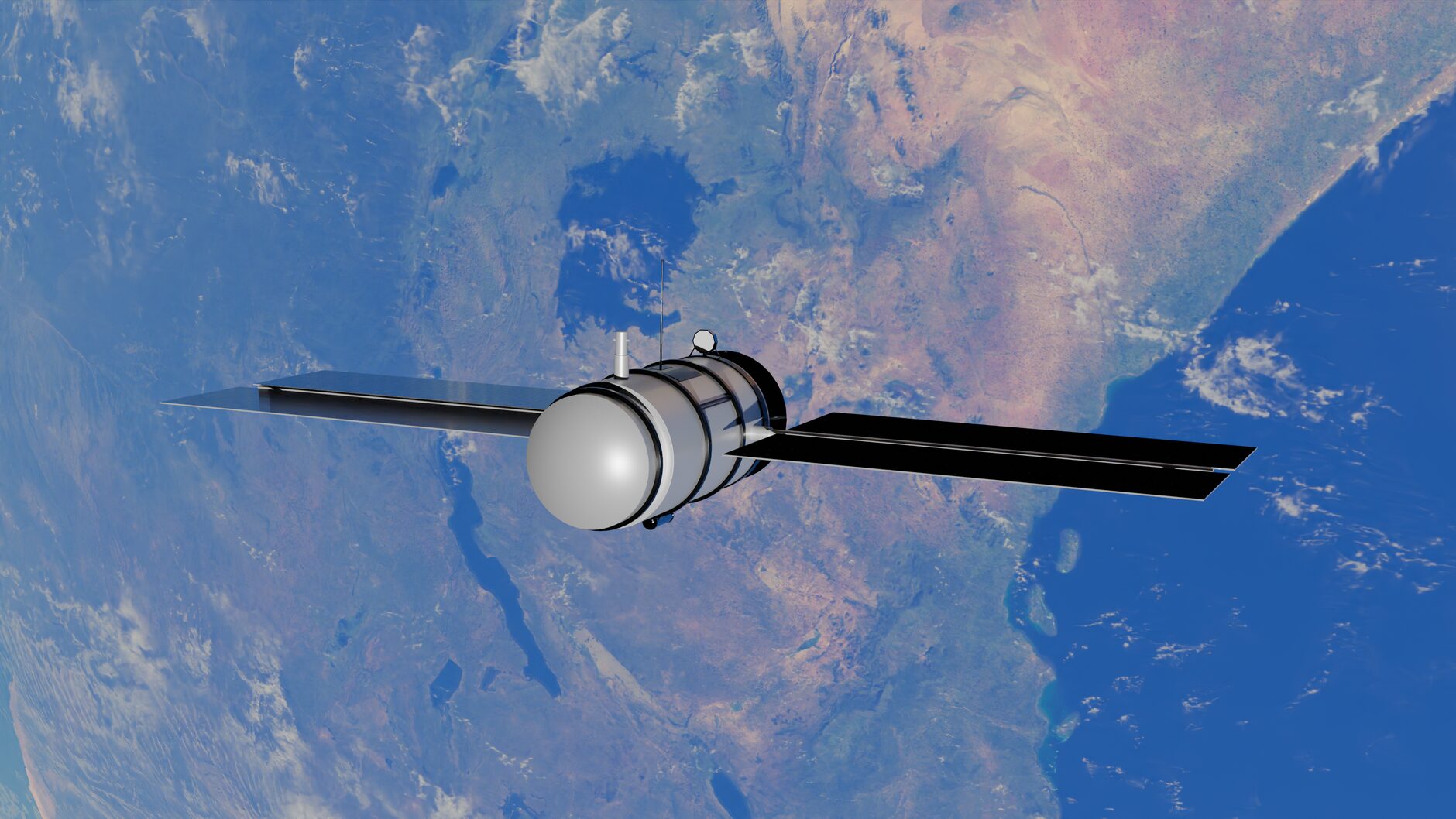
ISRO SpaDeX Docking Satellite is making headlines as it nears reentry at 239 km. This significant event raises questions about the future of space missions.
Overview of ISRO SpaDeX Docking Satellite
The ISRO SpaDeX Docking Satellite, also known as SDX01, is a groundbreaking mission that has garnered attention for its innovative approach to space exploration and satellite technology. Launched by the Indian Space Research Organisation (ISRO), this satellite aims to revolutionize the way satellites are deployed and maintained in orbit.
One of the key features of the ISRO SpaDeX Docking Satellite is its ability to autonomously dock with other satellites. This capability not only enhances the efficiency of satellite operations but also allows for in-orbit servicing and upgrades, potentially extending the lifespan of existing assets.
As the SDX01 approaches reentry at an altitude of 239 kilometers, experts are closely monitoring its performance and data collection. The mission has already yielded valuable insights into docking mechanisms and satellite interactions, paving the way for future missions that may involve complex maneuvers in space.
In summary, the ISRO SpaDeX Docking Satellite represents a significant leap forward in satellite technology. Its successful execution could set a new standard for future space missions, demonstrating how advanced engineering and innovative thinking can lead to enhanced capabilities in the ever-evolving field of space exploration.
Key Milestones in the Mission
The ISRO SpaDeX Docking Satellite mission has achieved several key milestones that highlight its significance in advancing space technology. These milestones not only showcase the capabilities of the Indian Space Research Organisation (ISRO) but also set a precedent for future missions.
- Successful Launch: The SpaDeX Docking Satellite was successfully launched into orbit, marking a significant achievement in satellite technology.
- First Docking Attempt: The first docking attempt was executed flawlessly, demonstrating the satellite’s advanced navigation and docking capabilities.
- Data Transmission: Continuous data transmission was established between SpaDeX and ground control, enabling real-time analysis and performance monitoring.
- Collision Avoidance System: The integration of an advanced collision avoidance system ensures the satellite can navigate safely in crowded orbits.
- Public Engagement: The mission has generated significant public interest, with educational outreach programs launched to inspire the next generation of scientists and engineers.
As the ISRO SpaDeX Docking Satellite approaches reentry at an altitude of 239 km, these milestones underline the mission’s potential to revolutionize space operations and contribute to international space collaboration.
What to Expect During Reentry
As the ISRO SpaDeX Docking Satellite SDX01 approaches its reentry at an altitude of 239 km, several key aspects merit attention. The reentry phase is critical, as it involves complex maneuvers to ensure the satellite’s safe return to Earth’s atmosphere.
During this phase, the satellite will experience intense thermal and mechanical stresses. The design of the ISRO SpaDeX Docking Satellite incorporates advanced heat shielding to withstand these conditions. Engineers closely monitor various parameters to assess the satellite’s health and trajectory.
Expectations for the reentry process include:
- Controlled Descent: The satellite will execute a series of burns to slow down and stabilize its descent.
- Data Collection: Instruments onboard will gather crucial data throughout the reentry, which will be invaluable for future missions.
- Successful Landing: The mission aims for a precise landing in a designated recovery area, ensuring the satellite can be safely retrieved.
As the mission unfolds, experts are optimistic that the insights gained from the ISRO SpaDeX Docking Satellite’s reentry will enhance the understanding of reentry dynamics and improve future space endeavors. This mission not only showcases technological prowess but also sets the stage for future ISRO projects.
Impact on Future Space Missions
The successful deployment and operations of the ISRO SpaDeX Docking Satellite mark a significant milestone in the evolution of space exploration technologies. This mission not only demonstrates India’s growing capabilities in deep space technology but also sets a precedent for future international collaborations.
One of the primary impacts of the SpaDeX mission is its potential to enhance docking mechanisms in space. The technology developed through this initiative can pave the way for more sophisticated satellite servicing and assembly operations in orbit. This could lead to:
- Improved satellite longevity: By enabling repairs and upgrades in space, satellites can remain operational for longer periods.
- Cost-effective missions: Reducing the need for new satellites can significantly lower the costs associated with space missions.
- Research opportunities: The SpaDeX Docking Satellite can facilitate scientific experiments in microgravity, contributing to advancements in various fields.
Furthermore, the mission’s success could inspire other nations and private entities to invest in similar technologies, fostering a spirit of innovation and collaboration in the global space community. As the ISRO SpaDeX Docking Satellite continues to near reentry, the ripples of its achievements will likely be felt in the planning and execution of future space missions.
Public Response to the Docking Satellite
The public response to the ISRO SpaDeX Docking Satellite has been overwhelmingly positive, reflecting a growing interest in India’s advancements in space technology. Many space enthusiasts and casual observers have taken to social media to express their excitement about the mission and its potential implications for future space exploration.
Comments from experts and the general public highlight several key aspects of the mission:
- Innovation: Many are impressed by the technological advancements demonstrated by the SpaDeX Docking Satellite, showcasing ISRO’s commitment to innovation in space exploration.
- National Pride: The mission has sparked a sense of pride among Indians, with many celebrating ISRO’s achievements as a testament to the country’s growing capabilities in the aerospace sector.
- Educational Opportunities: The docking mission has also opened up discussions about the importance of STEM education, inspiring the next generation of scientists and engineers in India.
- Future Prospects: Public anticipation continues to build around what the success of the ISRO SpaDeX Docking Satellite will mean for future collaborations with international space agencies.
As the spacecraft approaches reentry, the excitement surrounding this mission underscores its significance in advancing India’s role in space exploration.
Photo by Zelch Csaba on Pexels