

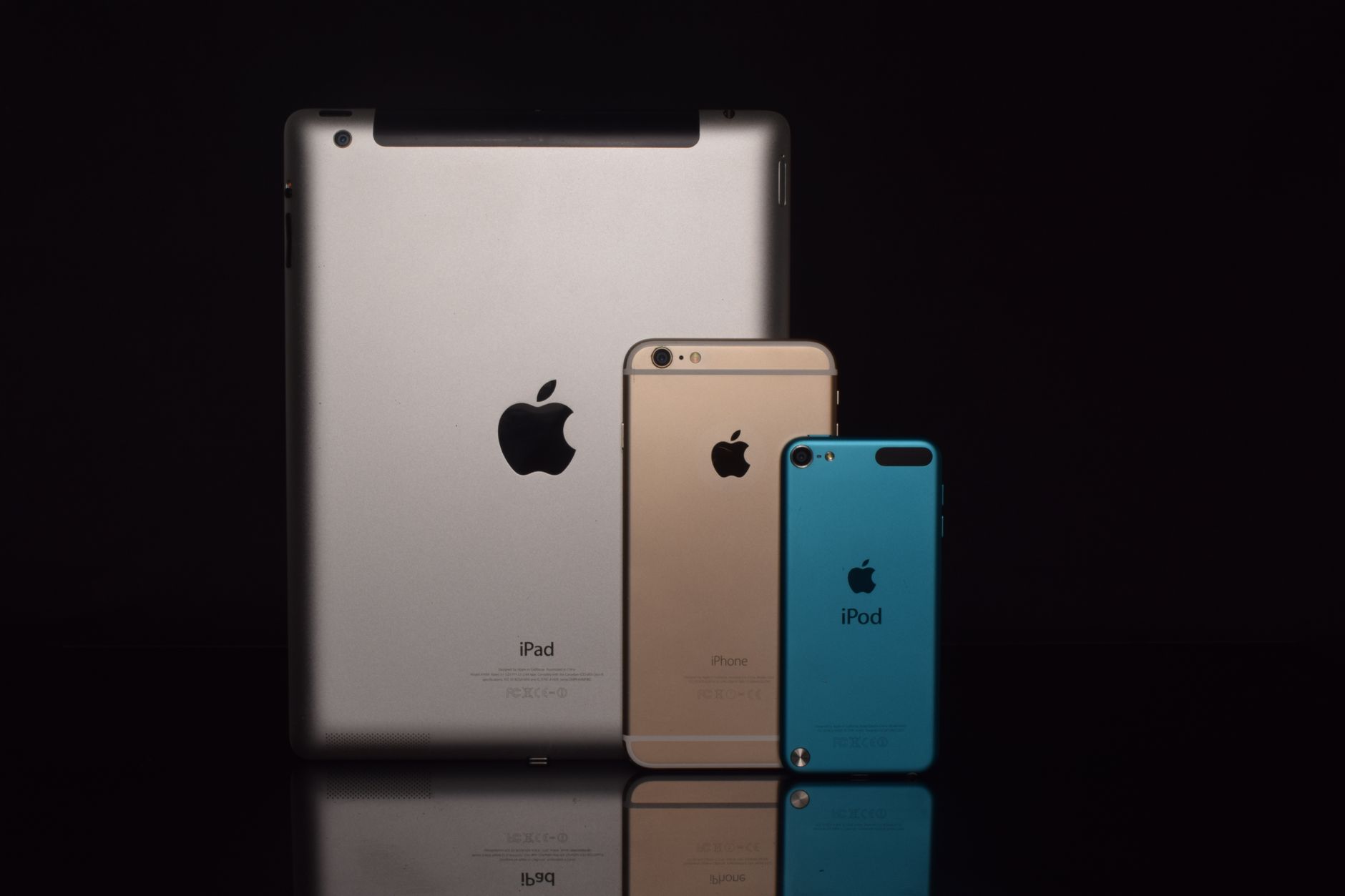
Apple users lose feature that has been a staple for 28 years. This change is set to affect many loyal customers and their daily usage.
What feature are Apple users losing?
Apple users are set to lose a cherished feature that has been a staple for nearly three decades. The recent announcement has left many loyal fans feeling disheartened as they prepare for this significant change.
The feature in question is the classic iTunes library, which has allowed users to organize and manage their music collections seamlessly since its inception in 1998. With the transition to Apple Music, the traditional iTunes interface will be replaced, leading to concerns about data migration and loss of certain functionalities.
Many Apple users have expressed their disappointment over the decision, highlighting the following:
- Loss of familiarity: Users have become accustomed to the iTunes layout and features.
- Data management challenges: Concerns regarding the transfer of playlists and purchased music.
- Reduced customization: The new platform may not offer the same level of user control over libraries.
As the transition date approaches, Apple users are bracing for the inevitable loss of this beloved feature, marking a bittersweet moment for the brand’s long-time supporters.
The impact on Apple users
The recent announcement regarding the loss of a key feature has left many Apple users feeling disheartened. For nearly three decades, this feature has been a cornerstone of the Apple experience, fostering loyalty among millions of fans. Now, with its impending removal, users are grappling with the implications for their daily interactions with Apple devices.
The impact on Apple users is multifaceted:
- Loss of Convenience: Many users have relied on this feature for seamless functionality in their daily tasks, making their experience more efficient.
- Emotional Response: For long-time fans, the feature has become part of their identity as Apple users, creating a nostalgic connection that is hard to let go of.
- Shift to Alternatives: As Apple users lose this feature, they may need to seek alternative solutions, which could lead to frustration or dissatisfaction with less integrated options.
- Community Reaction: Online forums and social media have been abuzz with reactions, showcasing the discontent and disappointment among loyal fans.
As Apple continues to innovate, the question remains: will these changes ultimately benefit users, or is this a step backward for a brand that prides itself on user-centric design?
Reasons behind the decision
The decision to remove a long-standing feature has left many Apple users feeling disappointed and frustrated. Several factors contributed to this significant change.
- Technological Advancements: As technology evolves, maintaining older features can become increasingly challenging. Apple aims to streamline its services and focus on innovation, which often means phasing out outdated components.
- User Experience: Apple continuously assesses user feedback and behavior. The company found that the feature in question was no longer widely utilized, leading to its decision to prioritize enhancements that align with current user preferences.
- Compatibility Issues: With the introduction of new devices and operating systems, compatibility with older features can pose a significant challenge. Apple users lose feature support as the company shifts its focus to ensuring seamless integration across newer technologies.
- Strategic Focus: Apple has been redirecting resources towards more profitable and popular features. By reallocating development efforts, the company can enhance its offerings and maintain its competitive edge in the market.
While the reasons for this decision may be pragmatic, many loyal fans feel a sense of loss, marking the end of an era for Apple users.
User reactions to the change
As news broke that Apple users lose a long-standing feature, reactions poured in from loyal fans who have relied on it for nearly three decades. Many took to social media platforms to express their frustration and disappointment.
- One user lamented the decision, stating, “This feature has been a staple of my daily routine. It’s hard to believe it’s going away.”
- Another fan shared their feelings, writing, “I can’t understand why Apple would remove something that so many of us value. It feels like a betrayal.”
- Some users even called for a boycott, emphasizing their commitment to only supporting brands that listen to consumer needs.
In contrast, a few tech enthusiasts argued that the change could lead to new innovations, hoping that Apple would replace the feature with something even more beneficial. However, the general consensus among loyal fans is one of disappointment.
As the official transition date approaches, Apple users are left grappling with the implications of losing a beloved feature, marking a significant shift in their user experience.
Alternatives for Apple users
As Apple users lose a beloved feature, many are left searching for alternatives that can fill the gap left by this decision. While the change may come as a disappointment, several options are available to help users transition smoothly.
- Third-Party Apps: Many developers have created applications that replicate the functionality of the lost feature. Users can explore options in the App Store, where they may find solutions tailored to their needs.
- Compatibility with Other Devices: Users might consider integrating their Apple devices with non-Apple hardware. This can sometimes provide a more versatile experience, allowing them to utilize features that Apple users lose when relying solely on Apple products.
- Online Services: Various web-based platforms offer similar functionality, enabling users to access the features they enjoyed before. These services often come with additional tools that can enhance productivity.
- Community Support: Engaging with online forums and user communities can reveal tips and tricks for adapting to the change. Loyal fans can share their experiences and recommend alternatives they have found effective.
While the loss of this feature is significant, Apple users can explore these alternatives to maintain their productive workflows.
Future updates from Apple
As Apple users grapple with the recent announcement of a lost feature, many are left wondering what future updates the company has in store. While the specifics of upcoming enhancements remain unclear, Apple has a history of innovation and improvement that its loyal fans hope will continue.
Traditionally, Apple has focused on enhancing user experience through software updates and new hardware releases. Some potential areas for future updates include:
- Performance enhancements: Users can expect Apple to optimize the performance of its devices, ensuring they run smoother and faster.
- Privacy upgrades: In response to growing concerns, more robust privacy features might be introduced to protect user data.
- New functionalities: The company may introduce alternative features or apps to compensate for the loss, potentially providing new tools that enhance productivity.
Despite the disappointment surrounding the loss of this long-standing feature, many Apple users remain hopeful. As updates roll out, the community is eager to see how Apple will adapt and innovate in response to user needs. Ultimately, the tech giant must prove that it can continue to meet the expectations of its loyal fans, especially as they lose a feature that has been part of their experience for decades.
In a surprising turn of events, Apple users lose feature that many considered essential for their daily tasks. This decision has left loyal fans feeling frustrated and questioning their loyalty to the brand.
Photo by Pixabay on Pexels