

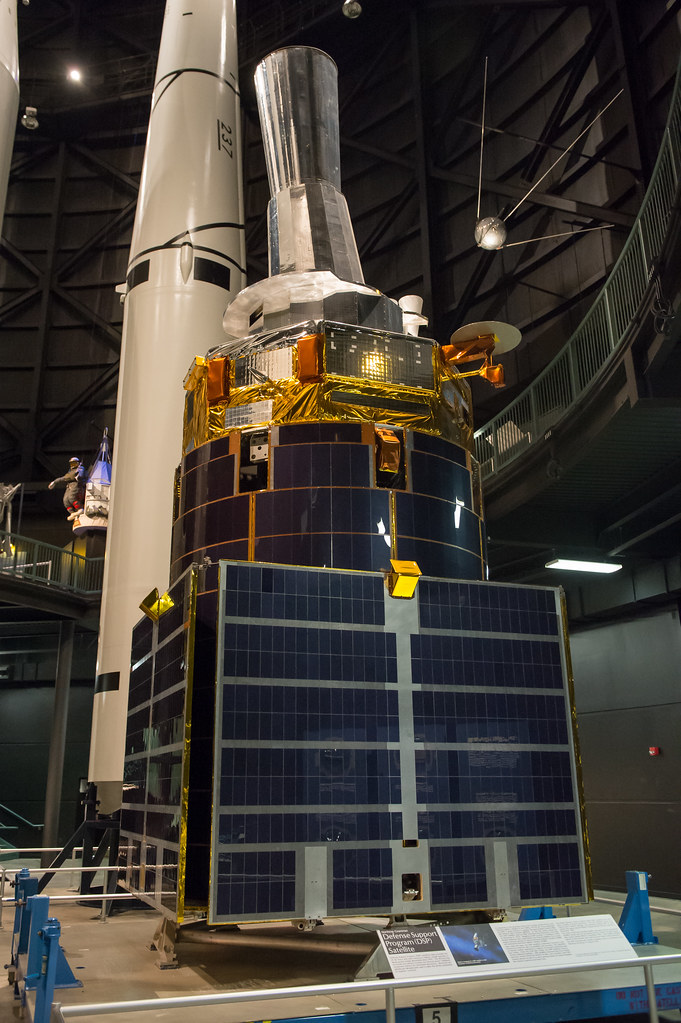
nuclear-armed satellite developments are causing alarm as NATO believes Russia is poised to launch such technology. This situation highlights growing tensions in global security.
Understanding NATO’s Concerns
NATO officials have expressed growing alarm over Russia’s recent advancements in military technology, particularly regarding its potential deployment of a nuclear-armed satellite. This development signals a significant shift in the strategic landscape, prompting a reevaluation of security measures among NATO member states.
Key concerns raised by NATO include:
- Capability for Rapid Strikes: A nuclear-armed satellite could enable Russia to execute swift and unpredictable strikes, undermining traditional defense strategies.
- Escalation of Tensions: The introduction of such technology may escalate existing geopolitical tensions, increasing the risk of military confrontation.
- Lack of Transparency: NATO has noted Russia’s opaque military development processes, raising doubts about the true capabilities and intentions behind the satellite program.
NATO’s Secretary General emphasized the need for a united response to ensure that the alliance remains prepared to meet any challenges posed by this evolving threat. As the situation develops, member nations are closely monitoring Russia’s actions and assessing their implications for regional and global security.
The Implications of Nuclear Technology
The recent reports about Russia’s potential deployment of a nuclear-armed satellite have raised significant concerns among NATO allies. The implications of such a technological advancement could be profound, reshaping the landscape of global security and military strategy.
Firstly, the introduction of nuclear-armed satellites could lead to a new arms race in space. Nations may feel compelled to develop their own satellite capabilities to ensure they remain competitive, potentially violating existing treaties aimed at preventing the militarization of space.
Secondly, the ability to deploy nuclear weapons from orbit presents unique challenges for early warning systems. Traditional missile detection methods may struggle to identify threats from space-based platforms, complicating defense strategies.
Furthermore, the psychological impact on global relations cannot be overlooked. The mere existence of such technology could embolden aggressive posturing among nations, leading to heightened tensions and miscalculations during crises.
In summary, the potential operationalization of a nuclear-armed satellite by Russia has far-reaching implications that extend beyond immediate military concerns and into the realm of international diplomacy and security stability.
Russia’s Recent Space Activities
In recent months, Russia has escalated its space activities, raising alarms within NATO regarding the potential deployment of a nuclear-armed satellite. This bold move has been viewed as a significant shift in Russia’s military strategy, emphasizing its commitment to enhancing its capabilities in space.
According to reports, the Kremlin has been investing heavily in advanced satellite technology, which could enable the country to maintain a strategic advantage in a rapidly evolving security landscape. NATO officials have expressed concerns that these developments may not only threaten regional stability but also challenge the existing balance of power.
Key points of interest regarding Russia’s recent space activities include:
- Increased Launches: Russia has undertaken multiple satellite launches, indicating an ambitious expansion of its space program.
- Technological Advancements: The development of advanced propulsion systems and surveillance technologies has drawn particular scrutiny.
- Potential Nuclear Capabilities: The prospect of a nuclear-armed satellite has sparked intense debate about the implications for global security.
NATO continues to monitor these developments closely, emphasizing the need for a coordinated response to ensure the integrity of international security frameworks.
Global Reactions to the Threat
As the news of Russia’s potential launch of a nuclear-armed satellite spreads, global reactions have begun to surface, reflecting a mix of concern and condemnation. Many countries are reevaluating their defense strategies in light of this development.
- United States: Officials have expressed alarm over the satellite’s possible capabilities, emphasizing that such a move could escalate tensions in an already volatile geopolitical landscape.
- European Union: EU leaders are calling for immediate dialogue to address the implications of Russia’s actions, stating that the threat of a nuclear-armed satellite poses a significant risk to European security.
- China: While maintaining a neutral stance, Chinese representatives advised caution, urging all parties to pursue peaceful resolutions rather than military escalation.
- Defense Analysts: Experts warn that the deployment of a nuclear-armed satellite could disrupt the balance of power, leading to an arms race in space that would potentially involve multiple nations.
The global community is now left to grapple with the ramifications of this bold move, as countries seek to navigate the complexities of modern warfare and international relations.
Future of Space Security
The future of space security is increasingly uncertain as nations grapple with the implications of advanced military technologies. The prospect of a nuclear-armed satellite raises critical questions about global stability and arms control. Experts warn that if Russia successfully deploys such a satellite, it could fundamentally alter the balance of power in space.
As nations expand their military capabilities beyond Earth, the need for robust space security frameworks becomes paramount. Key factors influencing the future of space security include:
- The Arms Race in Space: The potential weaponization of space could lead to heightened tensions among global powers.
- International Treaties: Existing agreements may need to be revisited or strengthened to address new threats posed by nuclear-armed satellites.
- Technological Advancements: Rapid developments in satellite technology can create vulnerabilities that adversaries might exploit.
In light of these developments, NATO emphasizes the importance of collaborative efforts among allied nations to prevent an escalation of hostilities. A unified approach is essential to ensure that space remains a domain for peaceful exploration rather than a battleground for nuclear-armed satellites.
By mark6mauno via Openverse
Where this came from
Unicorn Company Valuation: Proven Insights on $11 Trillion Worth · GPU Asset-Backed Lending: Smart New Opportunities · GTA 6 Success: Best Proven Game Launch of 2023