

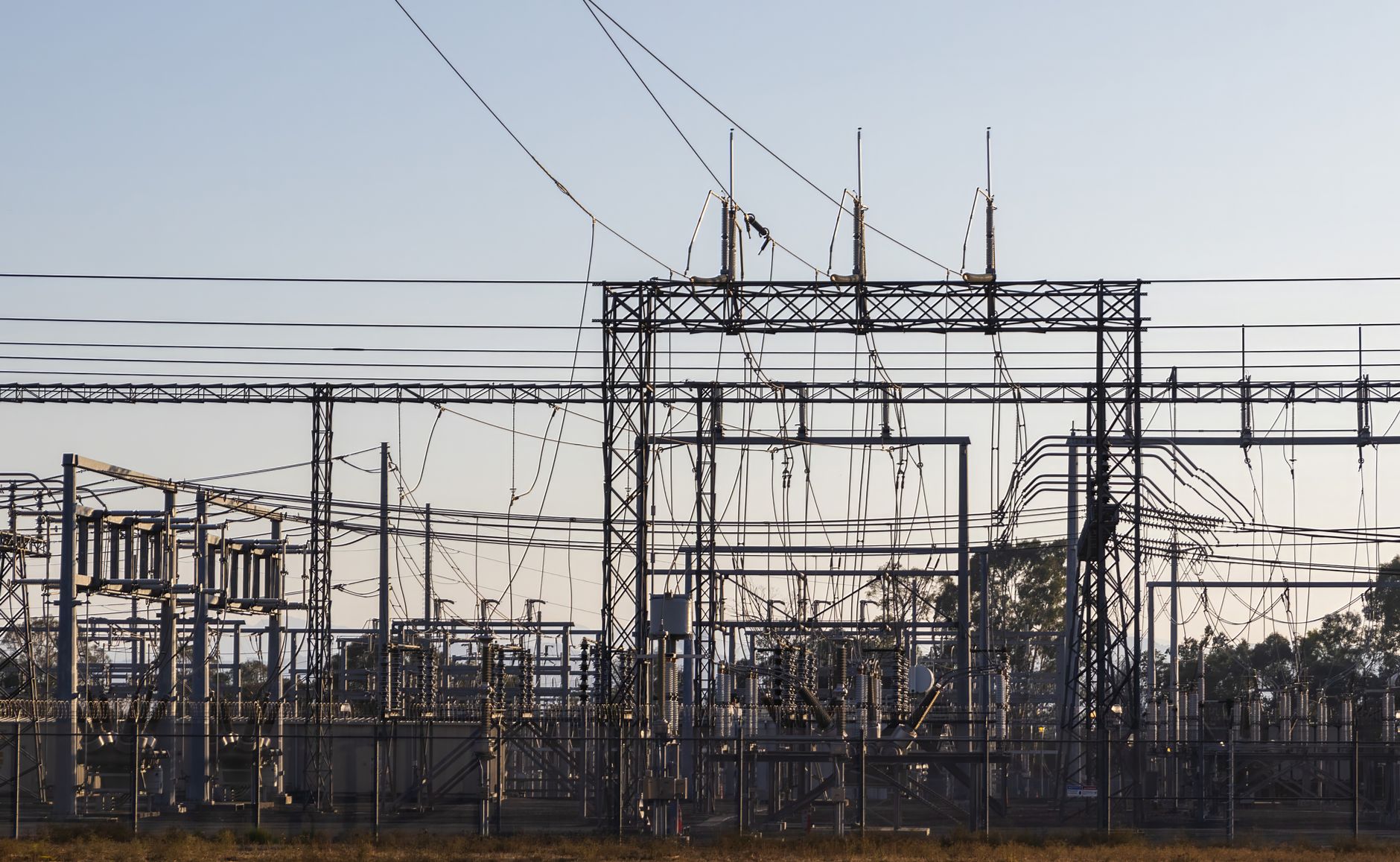
The national electricity data framework is poised to revolutionize AI adoption in India this month. This initiative aims to enhance data accessibility and efficiency in the energy sector.
What is the National Electricity Data Framework?
The National Electricity Data Framework is an innovative initiative aimed at enhancing the collection and management of electricity data across India. This framework is designed to facilitate better decision-making and improve the efficiency of the electricity sector by leveraging advanced technologies.
By establishing a standardized approach to data collection, the National Electricity Data Framework aims to create a comprehensive database that can be utilized for various analytical purposes. This initiative supports the growing adoption of artificial intelligence (AI) in the energy sector, allowing for more accurate forecasting, optimization of resources, and improved grid management.
Key objectives of the National Electricity Data Framework include:
- Enhancing data accessibility: Providing stakeholders with easy access to relevant data.
- Standardizing data formats: Ensuring consistency in data collection and reporting.
- Promoting transparency: Enabling better insights and accountability in the electricity sector.
Overall, the National Electricity Data Framework is set to play a crucial role in transforming India’s electricity landscape and fostering AI integration.
Benefits of the New Framework
The introduction of the National Electricity Data Framework is set to transform the energy sector in India, offering numerous benefits that support the adoption of artificial intelligence technologies.
Some of the key advantages of the new framework include:
- Enhanced Data Accessibility: The framework will streamline access to vital electricity data, enabling stakeholders to make informed decisions.
- Improved Decision-Making: With comprehensive data analysis, utilities can optimize operations, reduce costs, and enhance service delivery.
- Fostering Innovation: By providing a robust dataset, the framework encourages research and development in AI applications tailored for the energy sector.
- Increased Efficiency: AI-driven solutions can predict demand trends, optimize grid management, and minimize outages, leading to a more reliable power supply.
- Support for Renewable Energy: The framework will facilitate better integration of renewable energy sources, promoting sustainable practices within the industry.
Overall, the National Electricity Data Framework represents a significant step toward modernizing India’s energy landscape and harnessing the potential of AI.
How Will It Support AI?
The National Electricity Data Framework is poised to be a pivotal resource in enhancing artificial intelligence capabilities within the energy sector. By providing standardized and comprehensive data, it will facilitate the development of advanced AI applications. Here’s how it will support AI:
- Data Accessibility: The framework will ensure that data related to electricity generation, consumption, and distribution is easily accessible, enabling AI algorithms to analyze large datasets efficiently.
- Improved Analytics: With high-quality data, AI can offer deeper insights into energy patterns, leading to optimized energy management and forecasting.
- Real-Time Monitoring: The integration of AI with the framework allows for real-time monitoring of electricity systems, helping to predict outages and improve response times.
- Enhanced Decision Making: Policymakers and energy providers can leverage AI-driven analytics for better decision-making regarding resource allocation and infrastructure development.
Ultimately, the National Electricity Data Framework will serve as a cornerstone for fostering AI innovations that can transform the energy landscape.
Timeline for Implementation
The implementation of the National Electricity Data Framework is set to unfold in a phased manner, ensuring a smooth transition and effective integration of artificial intelligence technologies into the electricity sector. The timeline for implementation has been carefully designed to address key milestones that will guide stakeholders through the process.
- Phase 1: Initial groundwork will begin this month, focusing on the collection and standardization of electricity data across various states.
- Phase 2: By the end of the next quarter, the framework will be tested in select regions, allowing for adjustments based on real-world applications.
- Phase 3: Full-scale implementation is expected within six months, with all states required to adopt the national standards for electricity data management.
- Phase 4: Continuous monitoring and evaluation will take place to ensure the framework supports ongoing AI development and enhances data accessibility.
Through this structured timeline, the National Electricity Data Framework aims to not only streamline data processes but also foster innovation in artificial intelligence applications across the sector.
Impact on the Energy Sector
The introduction of the National Electricity Data Framework is set to revolutionize the energy sector in India. By consolidating vast amounts of electricity data, the framework aims to streamline operations and enhance decision-making processes across various levels of the industry.
One significant impact is the potential for improved energy management. As utilities gain access to real-time data analytics, they can optimize electricity distribution, reduce losses, and ensure more reliable service to consumers. This efficiency not only benefits the providers but also contributes to a greener energy grid.
Additionally, the framework is expected to foster innovation. With a comprehensive data repository, startups and established companies alike can leverage advanced analytics and artificial intelligence to develop new solutions tailored to the energy market.
Moreover, the increased transparency in data sharing will promote collaboration among stakeholders, including government agencies, private firms, and consumers. Ultimately, the National Electricity Data Framework represents a crucial step towards a more sustainable and technologically advanced energy landscape.
Challenges Ahead
Despite the promising advantages of the National Electricity Data Framework, several challenges lie ahead that must be addressed to ensure its successful implementation.
- Data Privacy Concerns: The integration of extensive electricity data raises significant privacy issues. Stakeholders must navigate the delicate balance between transparency and the protection of individual consumer data.
- Infrastructure Limitations: Many regions, especially rural areas, lack the necessary infrastructure to support the new framework. Upgrading these systems will require substantial investment and time.
- Stakeholder Coordination: Ensuring collaboration between various stakeholders, including government bodies, private companies, and consumers, will be crucial. Divergent interests can complicate consensus and delay progress.
- Technical Challenges: The framework’s reliance on advanced technologies demands a skilled workforce. Training personnel in data management and AI technologies is essential for effective implementation.
Addressing these hurdles will be vital for the National Electricity Data Framework to realize its potential and significantly enhance AI capabilities within the energy sector.
Comparative Analysis with Other Countries
The implementation of the National Electricity Data Framework (NEDF) marks a significant evolution in India’s approach to energy management and data utilization. When comparing this initiative with similar frameworks in other countries, several insights emerge.
Countries like the United States and Germany have established robust data frameworks that enhance grid reliability and foster innovation. For instance, the U.S. utilizes the Energy Information Administration to gather and disseminate data, enabling timely decision-making and promoting transparency. Similarly, Germany’s Smart Metering system facilitates real-time data access, supporting renewable energy integration.
In contrast, the NEDF aims to create a centralized repository of electricity data, which is critical for India, given its diverse energy landscape. This framework is designed to enhance data accessibility and promote the efficient use of artificial intelligence in energy management.
Furthermore, while other nations have faced challenges regarding data privacy and security, the NEDF is poised to learn from these experiences and implement best practices, ensuring a secure and efficient data environment for all stakeholders.
Future of AI in India
The future of AI in India is poised for significant transformation, particularly with the introduction of the National Electricity Data Framework. This initiative aims to harness the power of artificial intelligence to optimize energy management and improve overall efficiency in the sector.
As the country embraces technological advancements, AI applications in energy distribution are expected to become increasingly prevalent. Enhanced data analytics will allow for better demand forecasting, predictive maintenance, and real-time monitoring of electricity usage. This proactive approach can lead to reduced losses and increased reliability in power supply.
Moreover, AI-driven solutions will empower utilities to make informed decisions based on comprehensive data insights, which can ultimately drive sustainability efforts. The integration of the National Electricity Data Framework will also encourage innovation among startups and established companies alike, fostering a competitive ecosystem.
In conclusion, as India moves towards a smarter energy future, the effective utilization of AI through the National Electricity Data Framework will play a crucial role in shaping a more efficient and resilient energy landscape.
Photo by Robert So on Pexels
Sources
Related reading
Is the NVIDIA RTX Spark launch the Best Windows PC Upgrade? · Firefighter Flame and Blame Game: The Best Comical Adventure · NVIDIA Accelerated AI: The Best Smart Technology for Factories